Wheat rust is one of the most severe threats to global food security,
responsible for devastating crop losses every year. Around 50 million
tonnes of wheat—equivalent to one million rail cars full of grain—are
lost every year to rust diseases, leaving both farmers and global food
systems vulnerable.
At King Abdullah University of Science and Technology (KAUST) in
Saudi Arabia, a team of dedicated researchers is determined to tackle
this challenge head-on. Led by Dr. Simon Krattinger, Professor of Plant
Science and Molecular Genetics, the KAUST wheat rust research program
leverages cutting-edge techniques to understand and combat the disease.
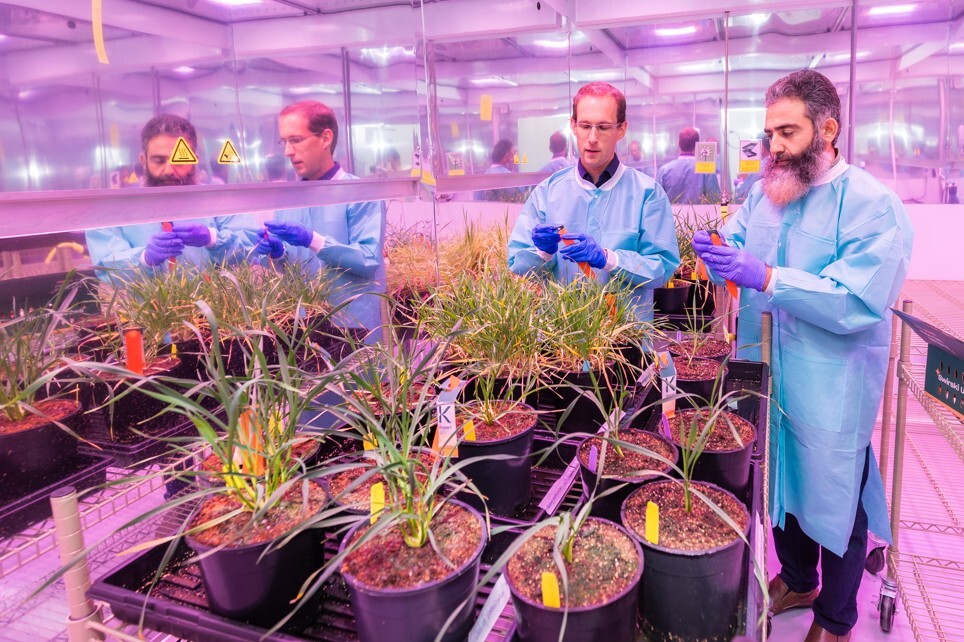
By combining advanced genomic tools with state-of-the-art research greenhouses and plant
growth chambers, Dr.
Krattinger’s team is working to develop durable resistance in wheat
varieties. Their research is critical for Saudi Arabia, the region, and
all countries that depend on wheat throughout the world.
KAUST researchers are tackling wheat rust—a major global threat to food security—by developing resistant wheat varieties.
Advanced genomic techniques have dramatically reduced gene identification time.
The research leverages high-throughput sequencing, computational modeling, and gene stacking strategies.
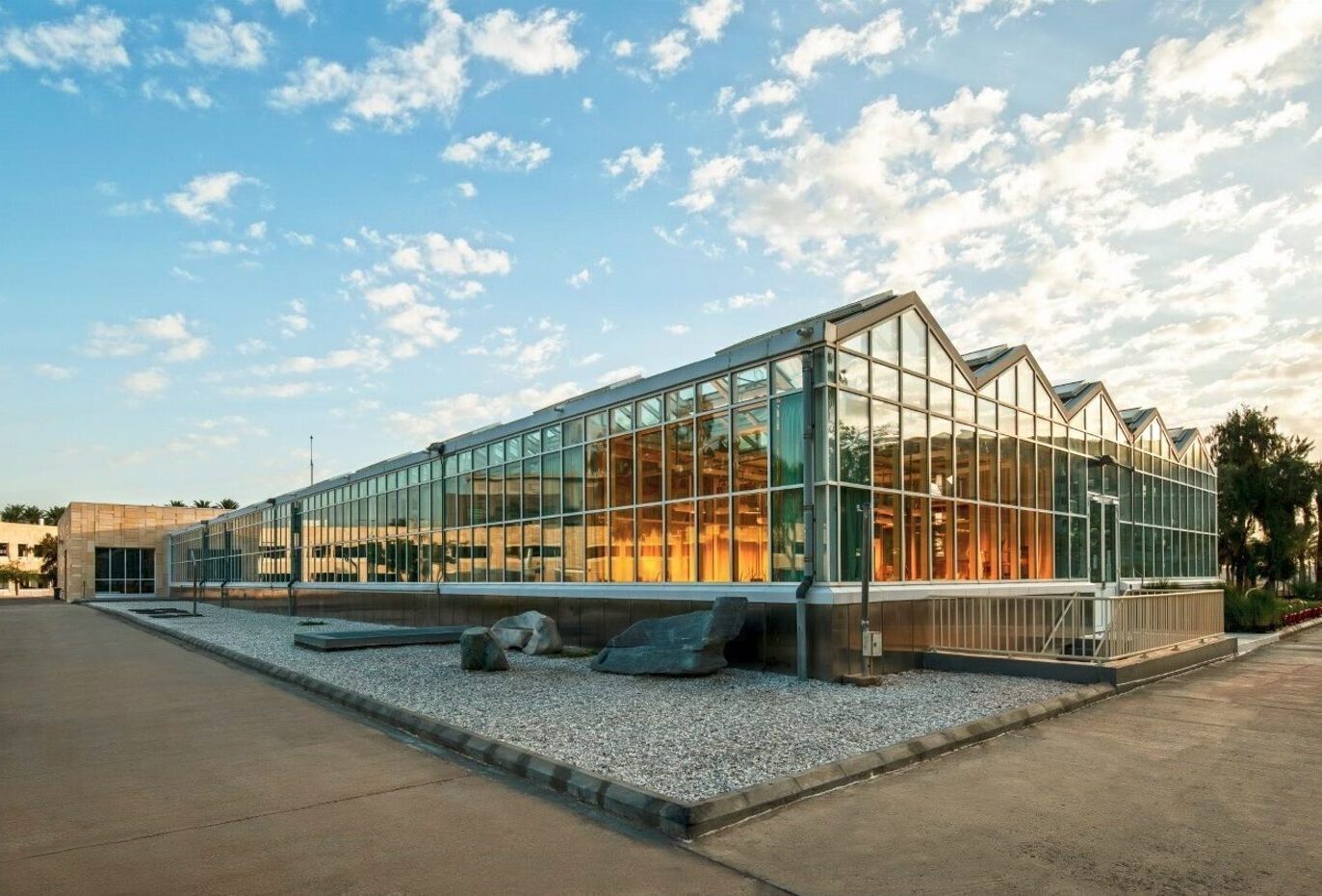
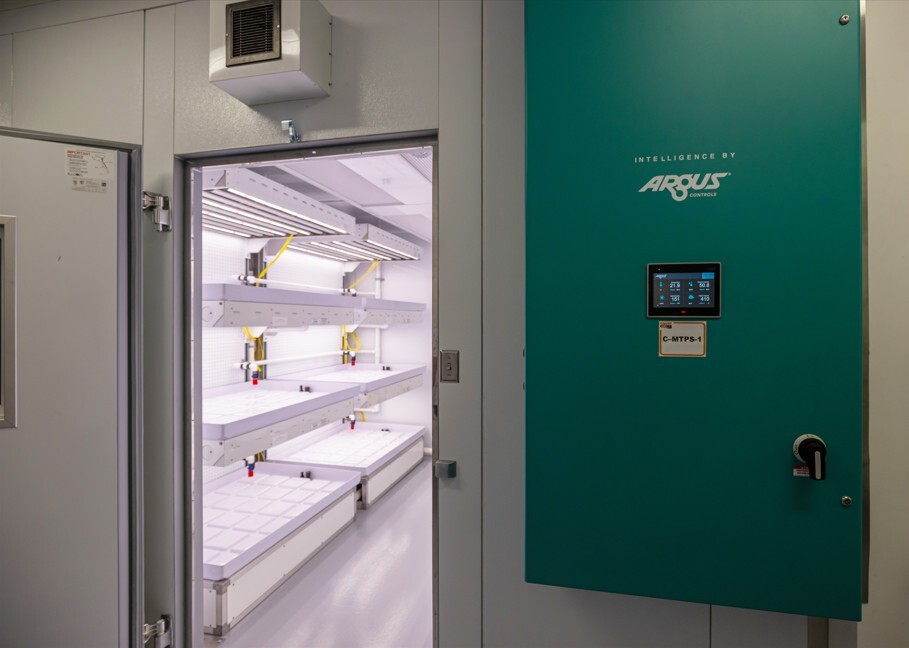
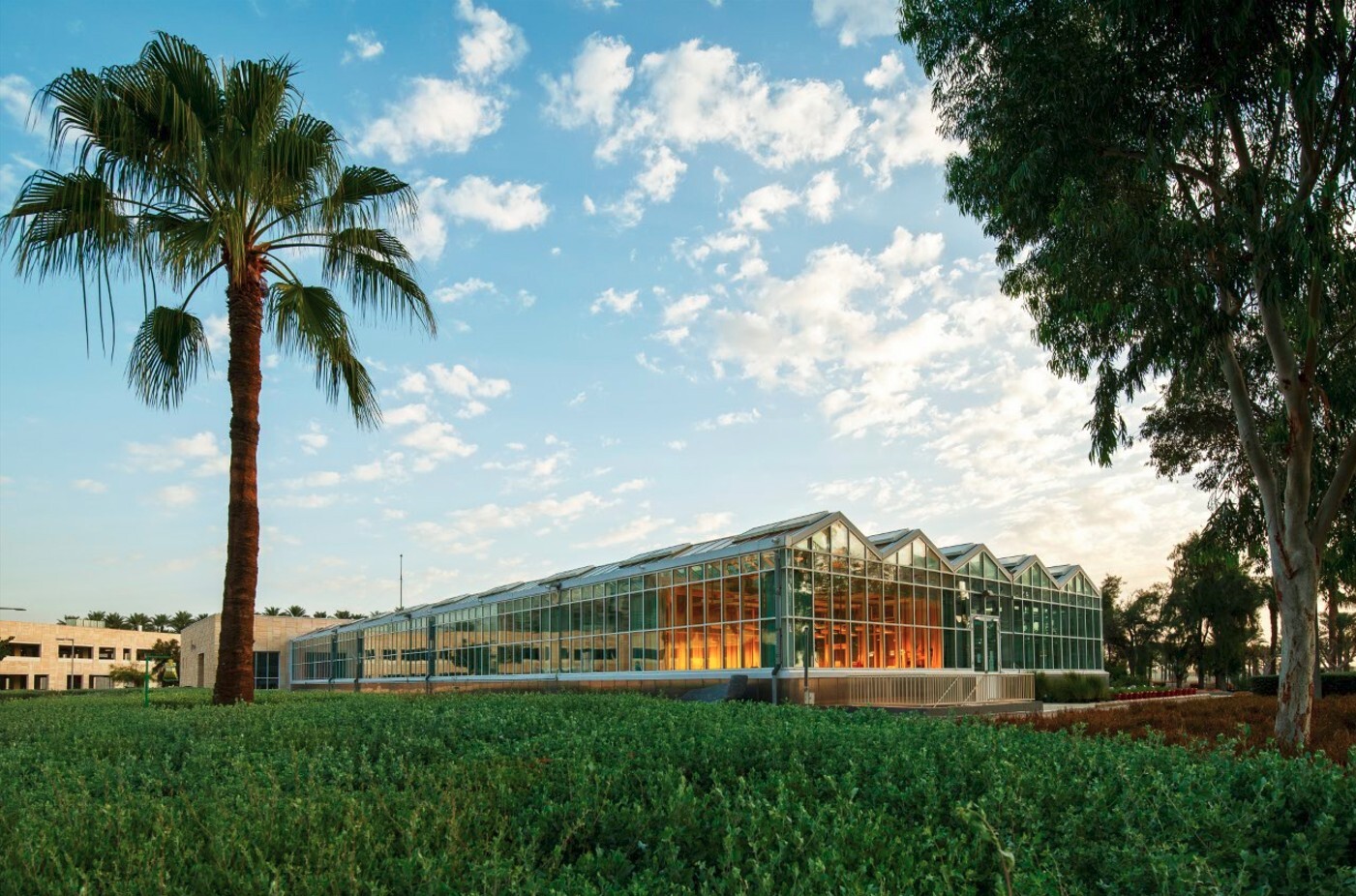
State-of-the-art Argus controlled greenhouses and Conviron growth chambers enable precise environmental control for pathogen studies.
The research addresses food security challenges in Saudi Arabia and worldwide by building resilient wheat cultivars.
Understanding the Threat of Wheat Rust
Wheat rust is caused by fungal pathogens that infect wheat plants,
leading to reduced grain yield and quality. It often strikes late in the
growing season, after farmers have already invested considerable
resources into cultivation.
Instead of feeding people, wheat ends up nourishing the
fungus—devastating both livelihoods and food supplies. The challenge is
made even more complex by the adaptability of the rust pathogens. Even
after disease-resistant wheat cultivars are developed, pathogens often
evolve within just a few years, rendering the resistance ineffective.
This constant evolutionary pressure makes it crucial to continuously discover and implement new resistance genes.
Key challenges of wheat rust include:
Rapid adaptation of fungal pathogens, leading to resistance breakdown
Late-season infections that reduce grain yield and quality
Significant economic losses (around 50 million tonnes of wheat lost annually)
Difficulty in maintaining durable resistance due to pathogen evolution
“Our goal is to develop cultivars with durable resistance by
combining multiple resistance genes,” said Dr. Krattinger. “If we can
figure out the best gene combinations and how to deploy them
effectively, we could significantly reduce the impact of rust diseases
on global wheat production.
The Complexity of Wheat Genetics
Developing resistant wheat varieties is no small feat. One of the
greatest challenges is the sheer size and complexity of the wheat
genome—five times larger than the human genome. In the past, identifying
and isolating resistance genes could take up to a decade.
Today, thanks to advancements in genomics, gene cloning, and
computational analysis, that timeline has been drastically reduced to
just six months.
“We used to spend 10 years isolating a single gene,” explains Dr.
Krattinger. “Now, we can do it in half a year. The transformation has
been remarkable, and it’s all due to the advancements in DNA sequencing
and data analysis.”
The team at KAUST employs a process called genomics-assisted gene cloning to speed up the identification process. This includes:
High-Throughput Sequencing: Enables rapid identification of resistance genes, cutting the timeline from years to months
Computational Modeling: Predicts how resistance genes will perform under various conditions
Advanced Phenotyping: Tracks plant-pathogen interactions in real-time to observe disease progression and resistance mechanisms
Gene Stacking Strategies: Combines multiple resistance genes to enhance durability and minimize the risk of resistance breakdown
The process is accelerating wheat rust research and ensuring new
resistant cultivars can be developed and deployed more rapidly to meet
emerging threats.
One of the most significant factors enabling this research is the
world-class facilities at KAUST. The campus is home to one of the
fastest supercomputers in the Middle East, which has been key to
processing the massive amounts of genomic data generated during
research. In addition to computational power, the university’s
state-of-the-art greenhouses and growth chambers provide the controlled
environments necessary for pathogen studies.
Working with Argus and Conviron, KAUST built highly customized growth chambers
that precisely regulate temperature, humidity, light, and CO₂ levels.
These chambers allow researchers to recreate various environmental
conditions, enabling them to test how different wheat genotypes respond
to rust infections.
“The growth chambers give us full control over the environment, which
is crucial when studying disease resistance,” Dr. Krattinger notes. “By
keeping conditions consistent, we can ensure that our results are
reliable and reproducible.”
Planning and executing the construction of KAUST’s advanced plant
science facility was no small undertaking. The project involved a full
year of meticulous planning, as Dr. Krattinger and his colleagues
collaborated with the Argus/Conviron team and other partners to ensure the new
infrastructure would meet their research needs.
One major challenge was designing growth chambers that could
accommodate a wide range of experimental conditions. Important factors
like lighting configuration, airflow, and pathogen containment all had
to be meticulously engineered. Additionally, the team needed to ensure
that the chambers could withstand long-term use while still maintaining
precise control over environmental variables.
We worked with the Argus/Conviron team and other experts to make sure the new infrastructure met our needs. The KAUST faculty were also actively involved, sharing insights to ensure the facility could fully support diverse research applications.
- Dr. Simon Krattinger, Professor of Plant Science & Molecular Genetics, KAUST
Krattinger noted that while building the new facility took just over
four years from initial planning to completion—with some challenges
along the way—the result is just as the team envisioned.
The impact of KAUST’s wheat rust research extends well beyond
academic discovery. As climate change and disease pressures continue to
escalate, the ability to develop rust-resistant wheat varieties remains
vital for ensuring food security worldwide.
By integrating genomics, advanced breeding techniques, and controlled
environment technology, the KAUST team is pioneering innovative
solutions that address both local and global agricultural challenges.
For Saudi Arabia and the surrounding region, the research is
especially critical. Agriculture in arid environments faces unique
challenges, and wheat rust poses a significant threat to local food
production. By leveraging cutting-edge plant science technologies and
fostering interdisciplinary collaboration, KAUST is positioning itself
as a leader in sustainable agriculture research and food security
innovation.
“Saudi Arabia has a bold vision for sustainable agriculture,”
Krattinger shared. “Our goal is to contribute to that vision by
developing crops that are resilient not just here but around the world.
Food security is a universal challenge, and the work we’re doing at
KAUST has the potential to make a real difference.”