Overview
Today’s environmental control systems are powerful tools but many greenhouse operations aren’t using them to their full potential. With the right approach, growers can unlock better crop consistency, labor efficiency, and lower operating costs.
Start with Usability, Not Just Features
Modern control systems can manage everything from temperature and ventilation to irrigation, lighting, and shading. But capability alone isn’t enough. What matters most is how effectively the system is used day to day.
If a system feels overly complex, it often leads to workarounds - manual overrides, disconnected equipment, or inconsistent programming. These workarounds reduce the system’s effectiveness and make it harder to maintain stable growing conditions.
Grower takeaways:
- Prioritize systems that are intuitive and easy to manage
- Ensure staff are trained and comfortable using the interface
- Standardize how settings are applied and adjusted
Connect & Integrate What You Already Have
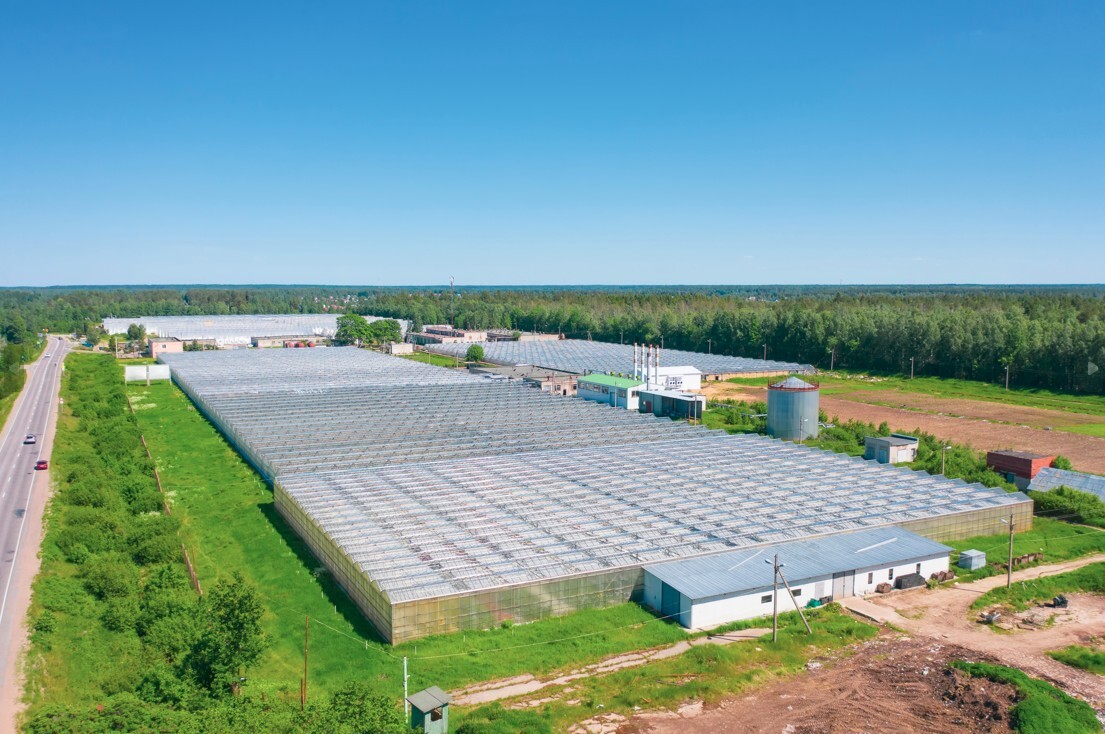
One of the biggest missed opportunities in greenhouse operations is underutilizing existing infrastructure. Many facilities already have lighting, misting, or shading systems that could be integrated into a central controller - but aren’t. Bringing these systems together enables coordinated control strategies, improving both crop outcomes and operational efficiency.
Grower takeaways:
- Audit your current equipment
- Integrate systems into a unified control platform
- Use coordinated strategies (e.g., climate + irrigation + shading working together)
Build Confidence in Automation
Transitioning from manual control to automation can be a challenge. Many growers are used to physically adjusting systems - turning valves, opening vents, or adjusting thermostats.
However, automated controls are designed to respond faster and more accurately than manual intervention, especially when managing complex interactions between temperature, humidity, and light.
Grower takeaways:
- Start by automating a single process (e.g., irrigation or ventilation)
- Monitor performance and compare results to manual control
- Gradually expand automation as confidence grows
Plan Ahead for Upgrades and Expansion
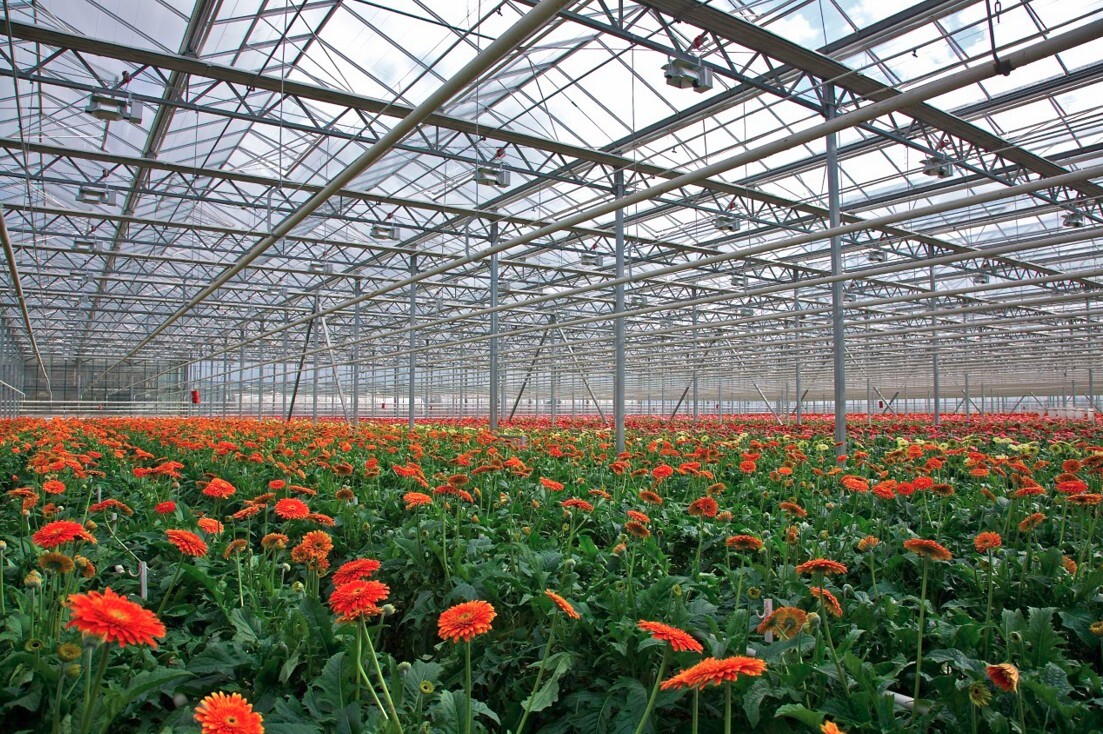
Upgrading or retrofitting an environmental control system is a strategic investment. Beyond features, reliability and support are critical factors - especially during peak production. Equally important is planning for the future. Many growers underestimate how quickly their needs evolve.
Grower takeaways:
- Choose a system that can scale with your operation
- Ensure there’s capacity for additional inputs/outputs
- Work with experienced installers and support teams
Don’t Underbuild Your System
A common mistake is purchasing a system sized only for current needs. Expanding later, adding irrigation zones, climate equipment, or sensors can be more costly and disruptive than building in capacity from the start.
Automation opportunities like irrigation control are sometimes overlooked, even though they can deliver major returns in labor savings and consistency.
Grower takeaways:
- Invest in flexibility upfront
- Include capacity for future expansion
- Evaluate automation opportunities across all production areas
Use Data to Drive Decisions
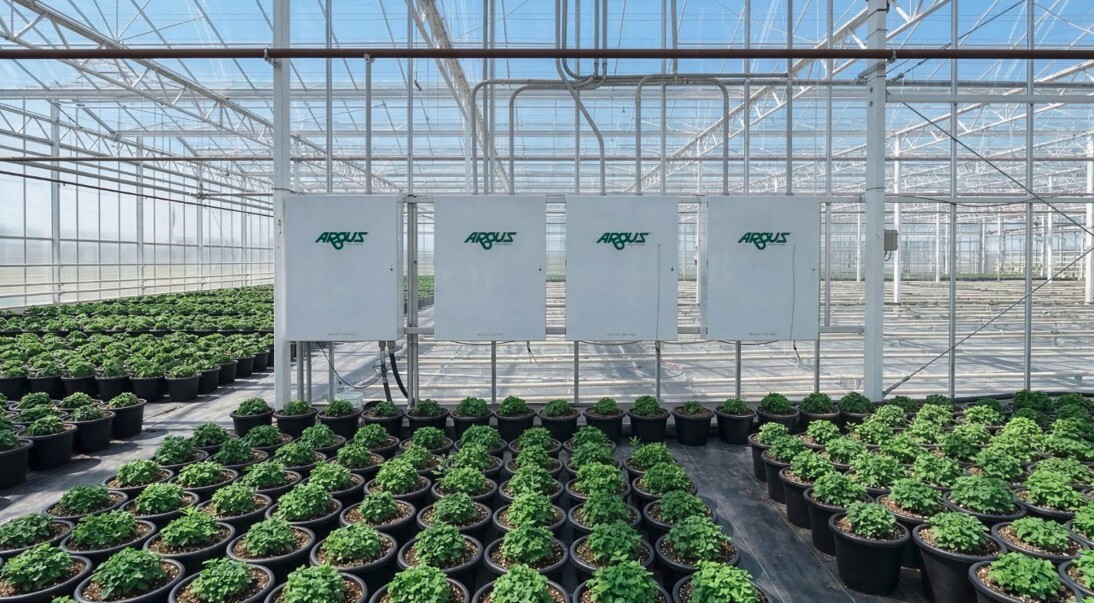
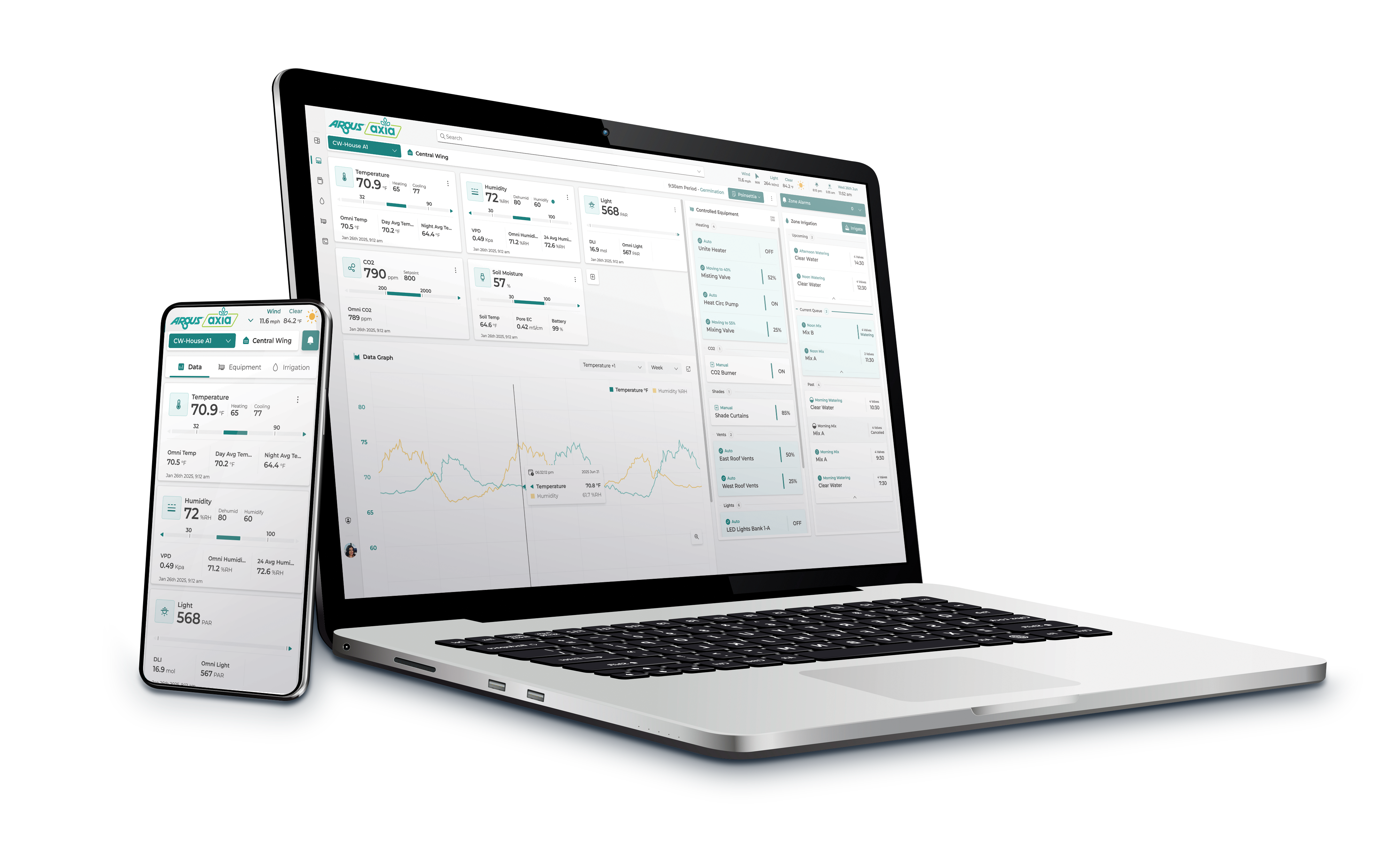
Modern environmental control systems generate valuable data that can help fine-tune operations. This includes insights into climate patterns, equipment performance, and crop response. Data-driven adjustments can help:
- Reduce energy use
- Improve crop uniformity
- Identify conditions that promote disease or pests
Grower takeaways:
- Regularly review system data and trends
- Use historical data to refine setpoints
- Monitor equipment performance to prevent failures
Reduce Energy & Labor Costs
Precision control can directly impact profitability. Integrated systems help eliminate inefficiencies like heating while vents are open or overwatering crops. Automation also reduces reliance on manual labor for repetitive tasks like venting, watering, and shading.
Grower takeaways:
- Optimize setpoints to avoid energy waste
- Automate routine tasks where possible
- Explore tools like energy curtains to improve efficiency
Take Advantage of Incentives
In many regions, utility providers and municipalities offer rebates for upgrading to energy-efficient systems. These programs can significantly reduce upfront costs and improve ROI.
Grower takeaways:
- Check local incentive programs before upgrading
- Factor rebates into your investment decisions
The Bottom Line
Environmental control systems are no longer just about maintaining temperature. They are central to optimizing the entire growing environment.Growers who fully leverage their systems can:
- Improve crop quality and consistency
- Reduce labor and energy costs
- Scale operations with confidence
The key isn’t just investing in technology - it’s using it strategically, integrating it fully, and planning for what comes next.
Credit: This article was adapted from the article originally published in Greenhouse Grower on April 14, 2026. Link below.