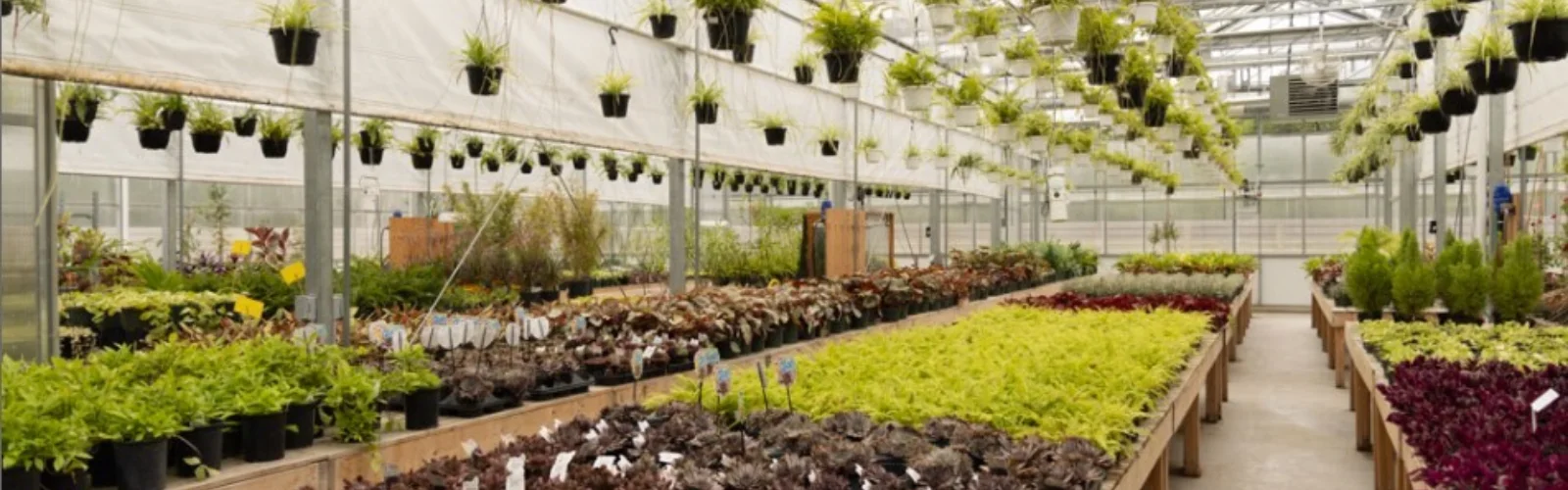
As labour pressures, energy costs, and production risks continue to rise, greenhouse operators, both commercial and research, are re-evaluating how environmental control systems can drive efficiency, consistency, and better decision-making. In this Argus Insights article, we explore where automation delivers the greatest value today and how control strategies are evolving for the future.
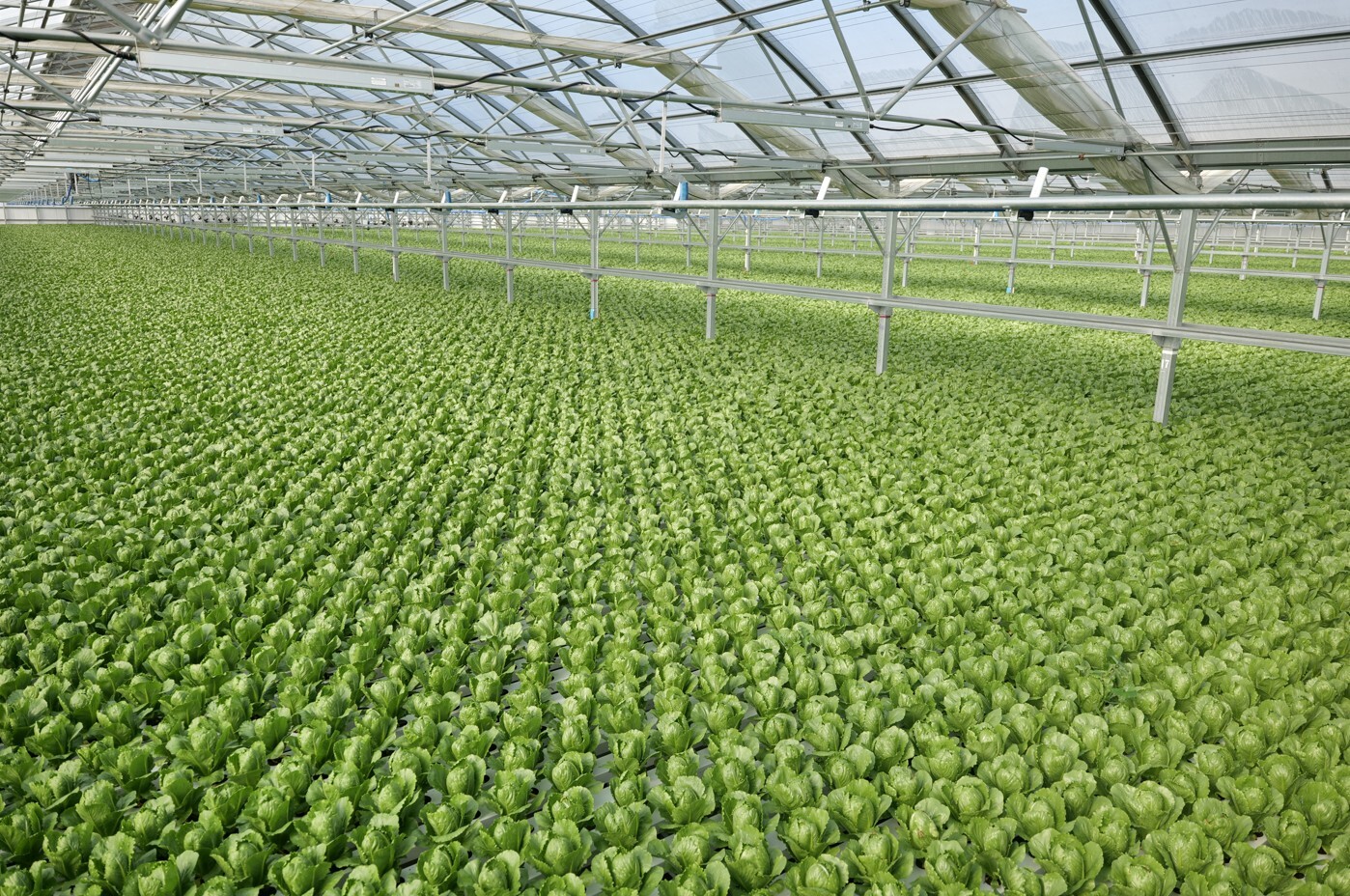
Q: How are labour shortages and rising costs influencing investment in greenhouse control systems?
One of the most immediate connections between environmental control and labour is the prevention of what can be described as “unforced errors.” These include irrigation inconsistencies, temperature excursions, or equipment failures that ultimately impact crop quality.
When these issues occur, they trigger downstream labour demands, ranging from rework and repackaging to, in worst-case scenarios, complete crop loss and removal. These events are both labour-intensive and costly.
As a result, growers are increasingly prioritizing automation strategies that reduce variability. Investments in irrigation automation, climate control, and alarm systems are helping maintain tighter environmental consistency. The outcome is not just improved crop quality, but a significant reduction in reactive labour requirements.
There is also a shift toward protecting high-value labour - particularly skilled growers. By automating routine monitoring tasks, such as manual data collection, growers can redirect their expertise toward higher-level decision-making rather than repetitive field measurements.
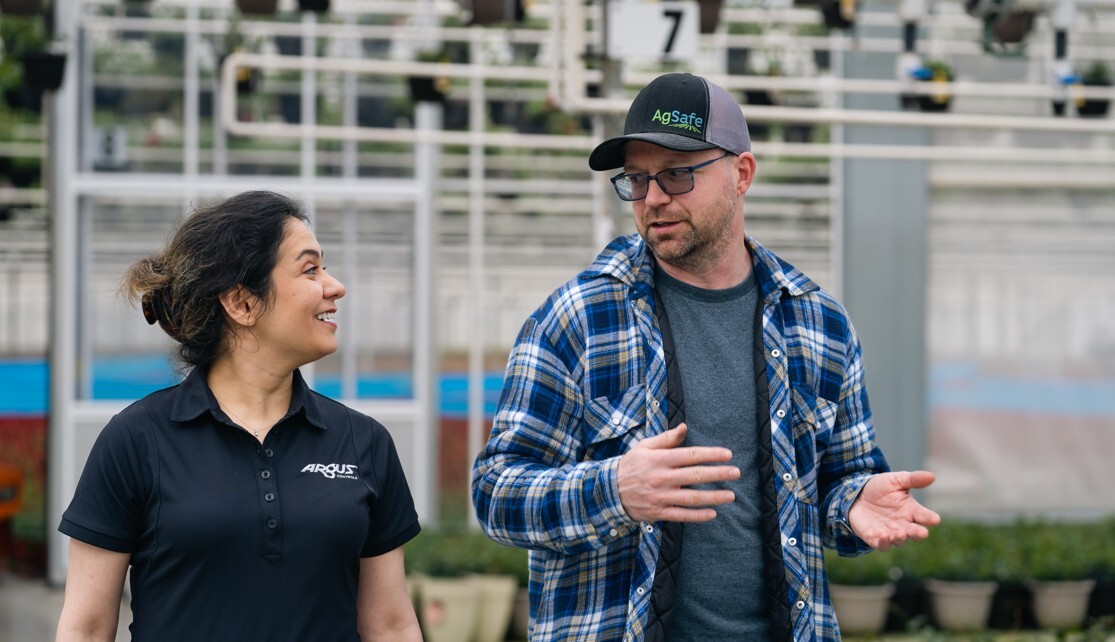
Q: What are growers looking for in modern greenhouse control systems?
Confidence and decision support are central requirements. Growers are operating in an environment where the cost of a wrong decision is rising - whether due to input costs, crop value, or market pressures. As a result, they are seeking systems that provide more visibility into crop conditions and reduce uncertainty.
This is driving demand for:
- Increased sensor density (e.g., substrate moisture, EC, temperature)
- Continuous data logging
- More granular environmental feedback
With more data points across the crop, growers can validate decisions with greater certainty rather than relying on limited sampling or intuition alone. In practice, this reduces risk and improves consistency, particularly in large-scale or multi-zone operations.
Q: Where are growers seeing the strongest ROI from efficiency upgrades today?
Lighting remains one of the most proven areas of return, particularly with the widespread adoption of LED systems in new and retrofitted facilities.
However, the real efficiency gains are increasingly tied not just to the hardware, but to how these systems are controlled. Advanced lighting strategies such as dimming, scheduling, and dynamic response to ambient conditions enable growers to minimize energy consumption while maintaining optimal crop performance.
Beyond lighting, flexibility is emerging as a key driver of ROI. Many operations are reconfiguring greenhouses to support multiple crop types, allowing for year-round production and better asset utilization. This often involves upgrades such as:
- Enhanced ventilation systems
- Additional shading or screening
- Crop-specific sensor integration
Another high-impact and often overlooked area is metering. Installing energy and water meters on key systems enables growers to understand resource consumption at a much finer level. This visibility supports better operational decisions, particularly in regions with variable energy pricing or water constraints.
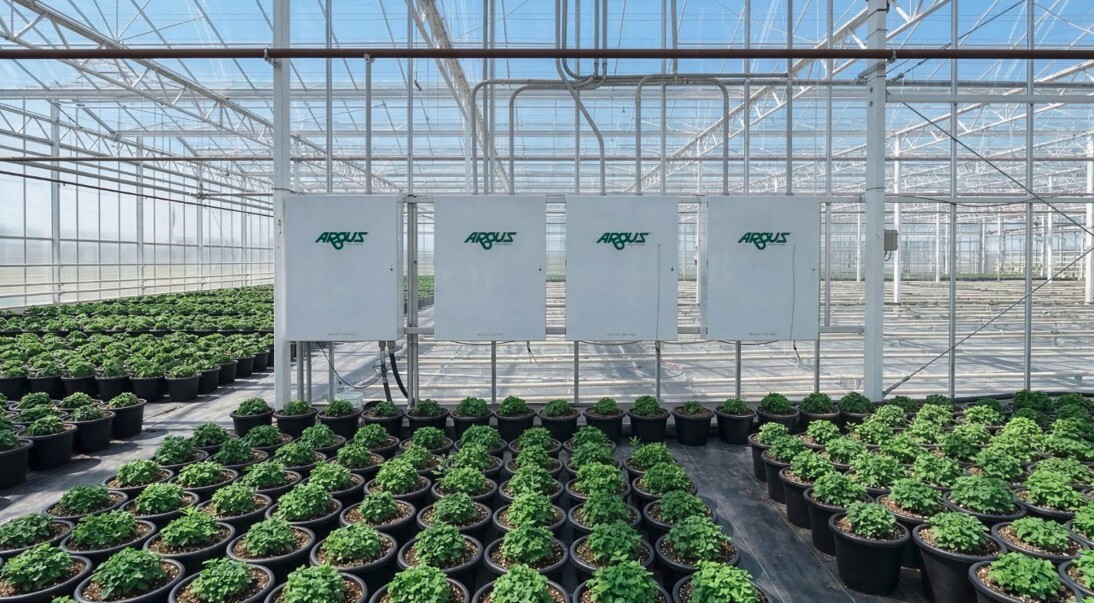
Q: How do control systems support resource efficiency goals?
Control systems play a central role in achieving measurable improvements in energy, water, and fertilizer use.
The foundational principle is straightforward: you cannot manage what you do not measure. Integrated control platforms automatically log and aggregate data from across the facility, allowing growers to track performance against defined KPIs in real time. For example:
- Water usage can be monitored through flow meters and flagged with alarms when anomalies occur (e.g., leaks or over-irrigation)
- Energy consumption can be tracked at the equipment level to identify inefficiencies or peak demand issues
- Fertigation performance can be analyzed in relation to plant uptake and environmental conditions
This level of visibility enables both immediate corrective action and longer-term optimization.
Q: Are greenhouse systems becoming more integrated, or do silos still exist?
Integration is increasing, though it remains an evolving area. Traditionally, systems such as climate control, irrigation, and lighting have operated somewhat independently. Today, there is a growing push to unify these data streams - not only within the growing environment, but across broader business operations.
Modern approaches are leveraging API-based connectivity to aggregate greenhouse data in the cloud alongside metrics from packaging, labour, and logistics systems. This enables a more holistic view of performance, where decisions can be evaluated not just on agronomic outcomes, but on overall operational efficiency.
At the same time, full integration remains complex. Different subsystems often have specialized control logic, and their interactions are not always tightly coupled. As a result, many operations continue to balance integration with system-specific optimization.
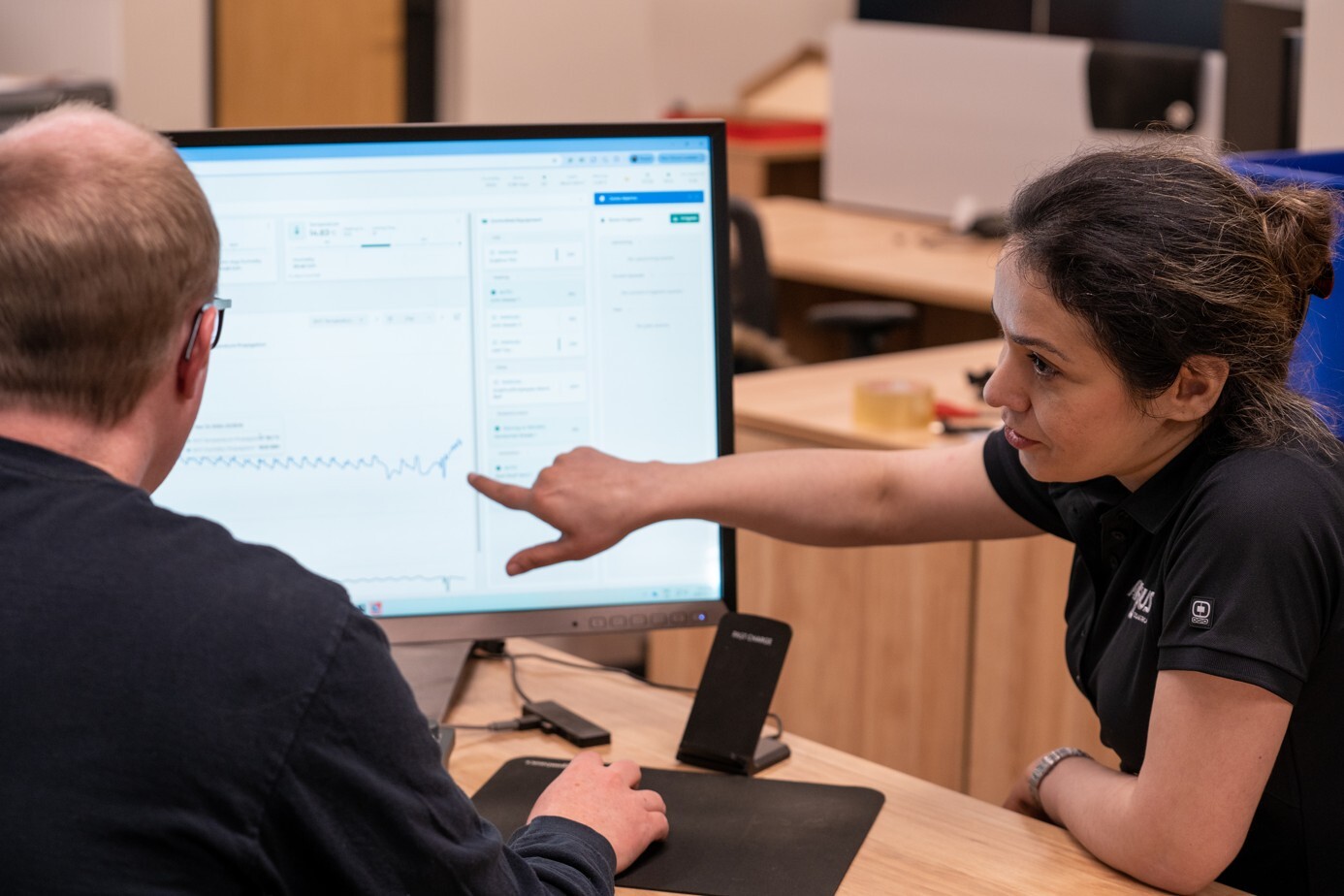
Q: What are the key challenges when implementing automation and control technologies?
A common challenge is the expectation of immediate results. In practice, successful implementation requires an iterative approach. Rather than deploying large-scale changes across an entire facility, leading operators often:
- Test new technologies in limited zones
- Evaluate performance against control areas
- Gradually scale based on validated results
This approach is particularly important because environmental control is inherently dynamic. Systems require tuning, calibration, and ongoing adjustment to align with specific crops, climates, and operational practices.
There is also a broader reality: automation is not a “set it and forget it” solution. Even advanced systems require active management, oversight, and continuous improvement.
Q: How do the needs of research facilities compare to commercial growers?
While commercial growers focus heavily on efficiency, yield, and cost control, research facilities place a premium on precision, repeatability, and data integrity.
For research applications, comprehensive data collection is essential. Control systems must not only maintain stable conditions but also provide detailed historical records and fine-grained control over experimental variables.
Despite these differences, both segments benefit from the same underlying capabilities: accurate sensing, reliable automation, and robust data management.
Q: Looking ahead, what trends will shape greenhouse efficiency and sustainability?
Artificial intelligence is expected to play a significant role in the next phase of greenhouse optimization. Potential applications include:
- Predictive energy management based on weather forecasts and pricing signals
- Optimization of irrigation strategies based on historical and real-time data
- Decision support tools that recommend climate or fertigation adjustments
At the same time, the technology landscape is becoming more distributed. Equipment manufacturers, particularly in lighting, are increasingly offering their own digital platforms. This creates both opportunities and challenges around system interoperability and data integration. Finally, adoption will be influenced by generational shifts within the industry. A new generation of digitally fluent growers is entering the industry, accelerating the adoption of advanced technologies while maintaining a strong emphasis on proven, reliable performance.
Conclusion
Greenhouse control systems are evolving from operational tools into strategic platforms for managing risk, improving efficiency, and enabling data-driven growing.
Whether in commercial production or research environments, the direction is clear: more data, tighter control, and smarter integration. The challenge, and opportunity, lies in implementing these technologies in a way that delivers measurable, repeatable results over time.